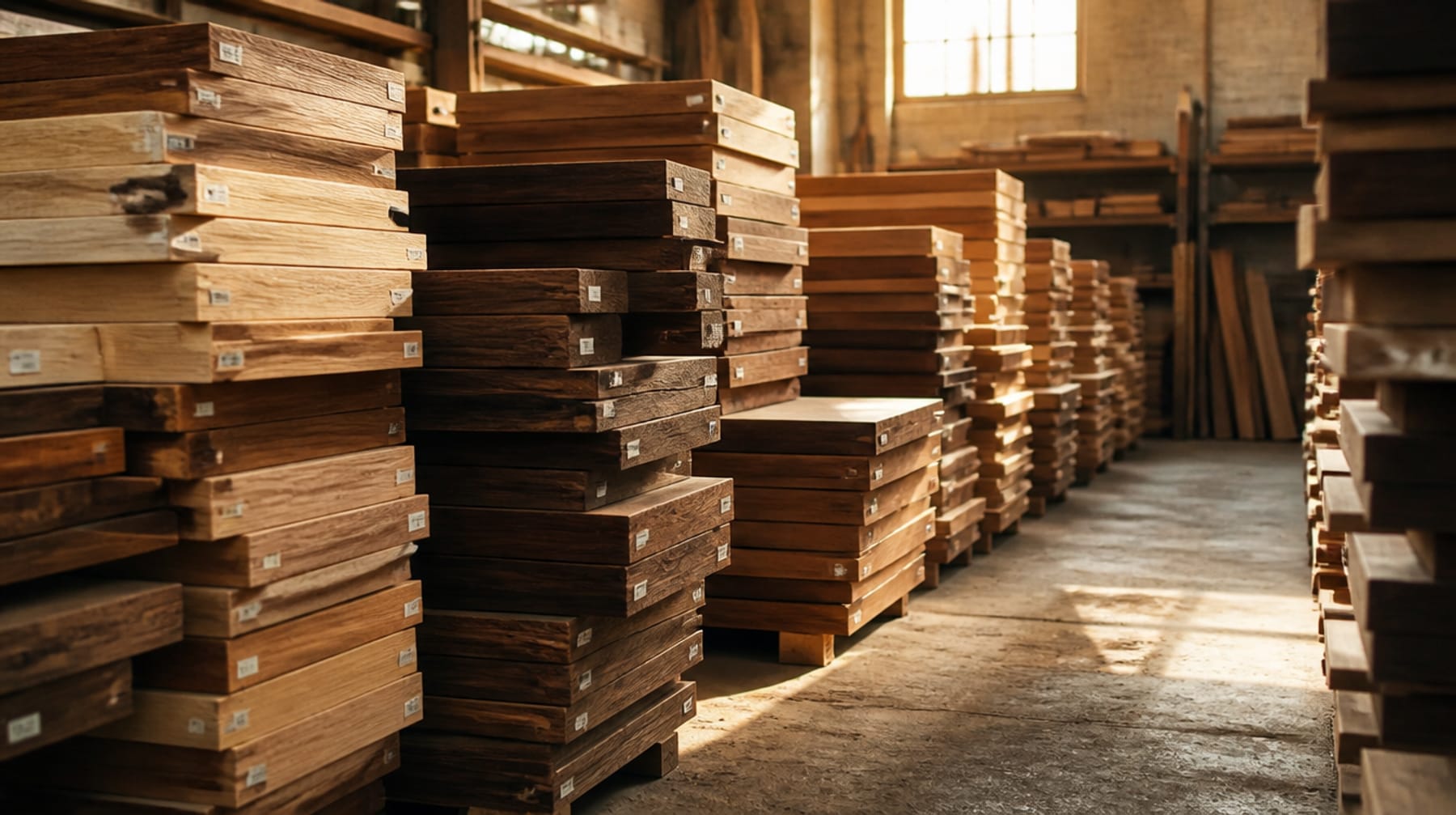
Frames that can take new fabric.
Our two practices follow from how we build: production in Los Angeles County, and pieces that can be re-covered.
Our view
Sustainability starts in the specification, long before a piece ships.
We think the replacement cycle is one of the larger environmental costs in furniture: pieces specified cheaply, used hard for a few years and thrown away because re-covering them was never possible.
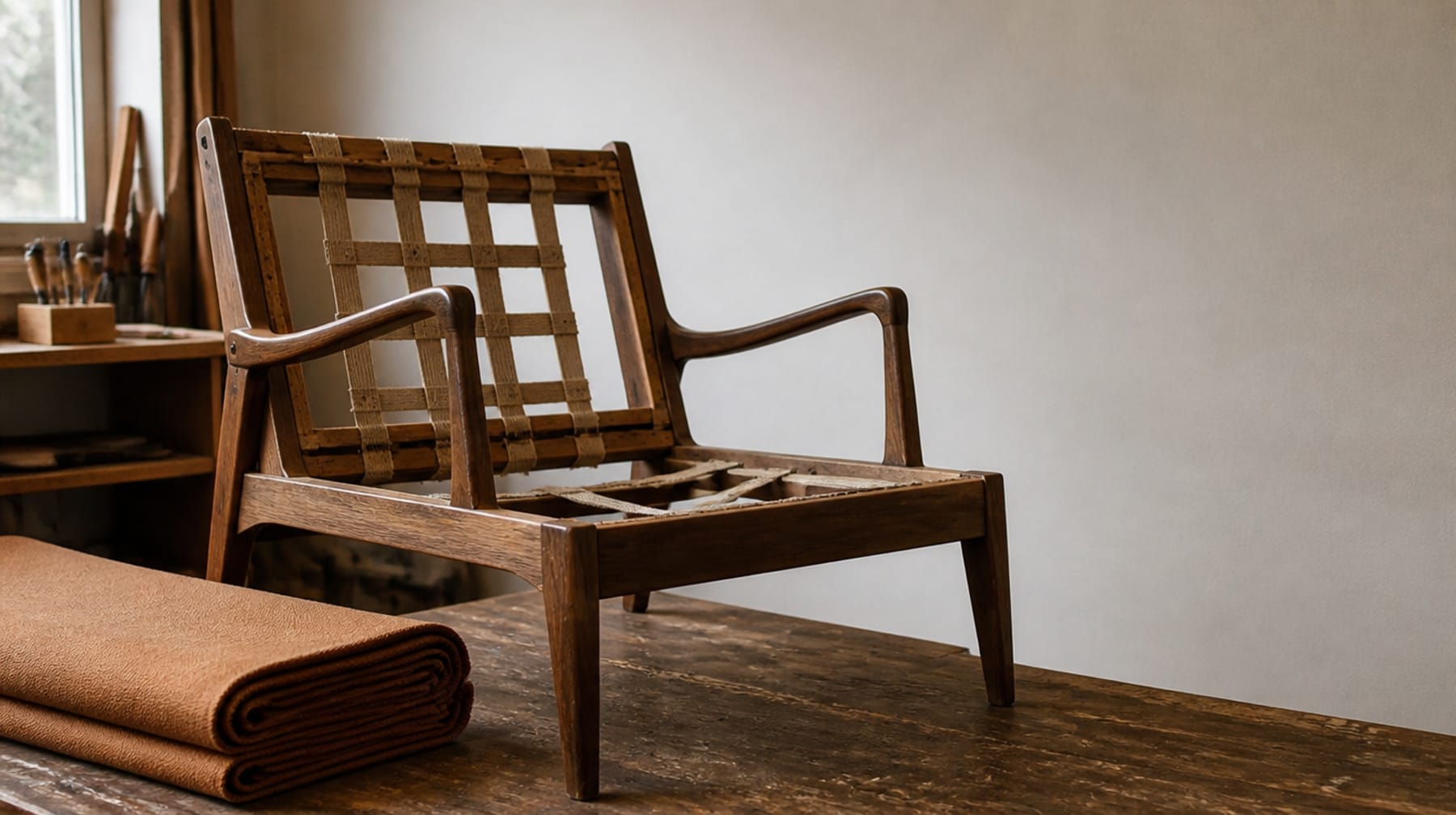
Re-covering is planned before the sample is built.
Say in your program brief if your pieces need to be stripped and re-covered later.
What we practice
Two practices, from how we build.
- 01
Production in Los Angeles County
Programs are framed, sewn and finished in Los Angeles County and ship from there, so pieces sold in the US have no import leg from an overseas factory.
- 02
Pieces that can be re-covered
A piece that can be stripped and re-covered when its fabric wears out can stay in service instead of being replaced. Our frames are cut and joined in our own frame shop.
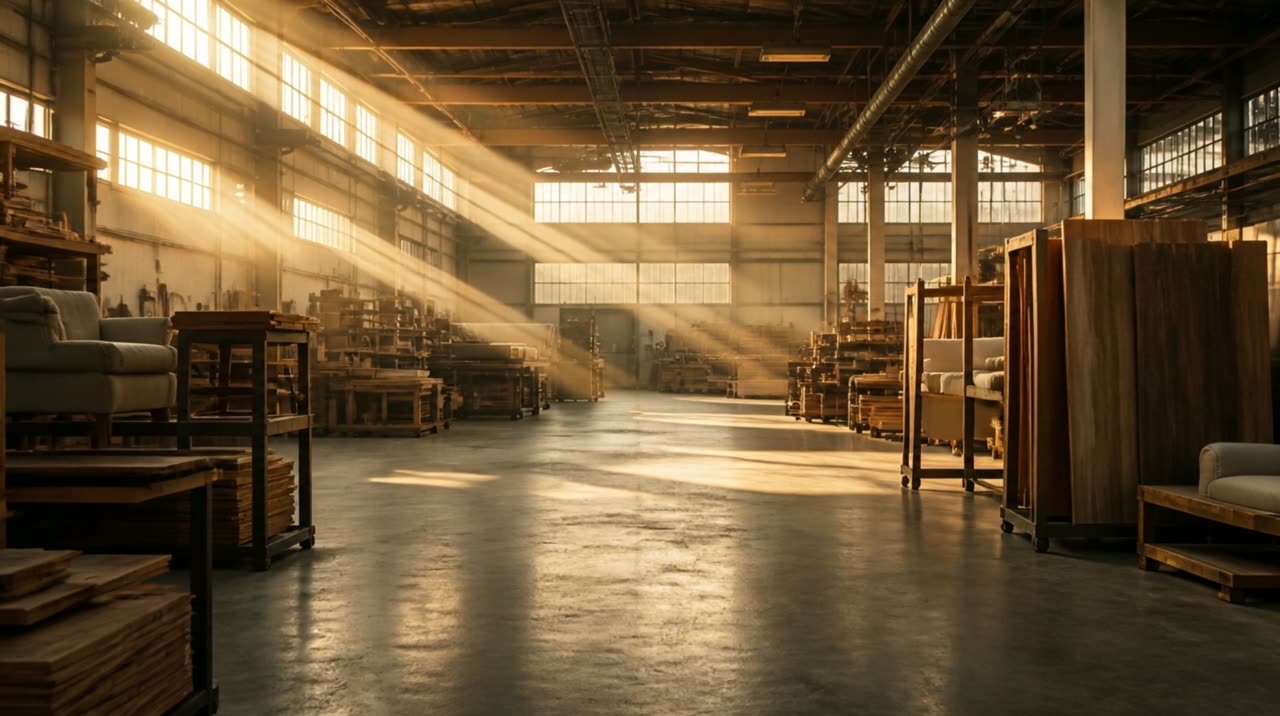
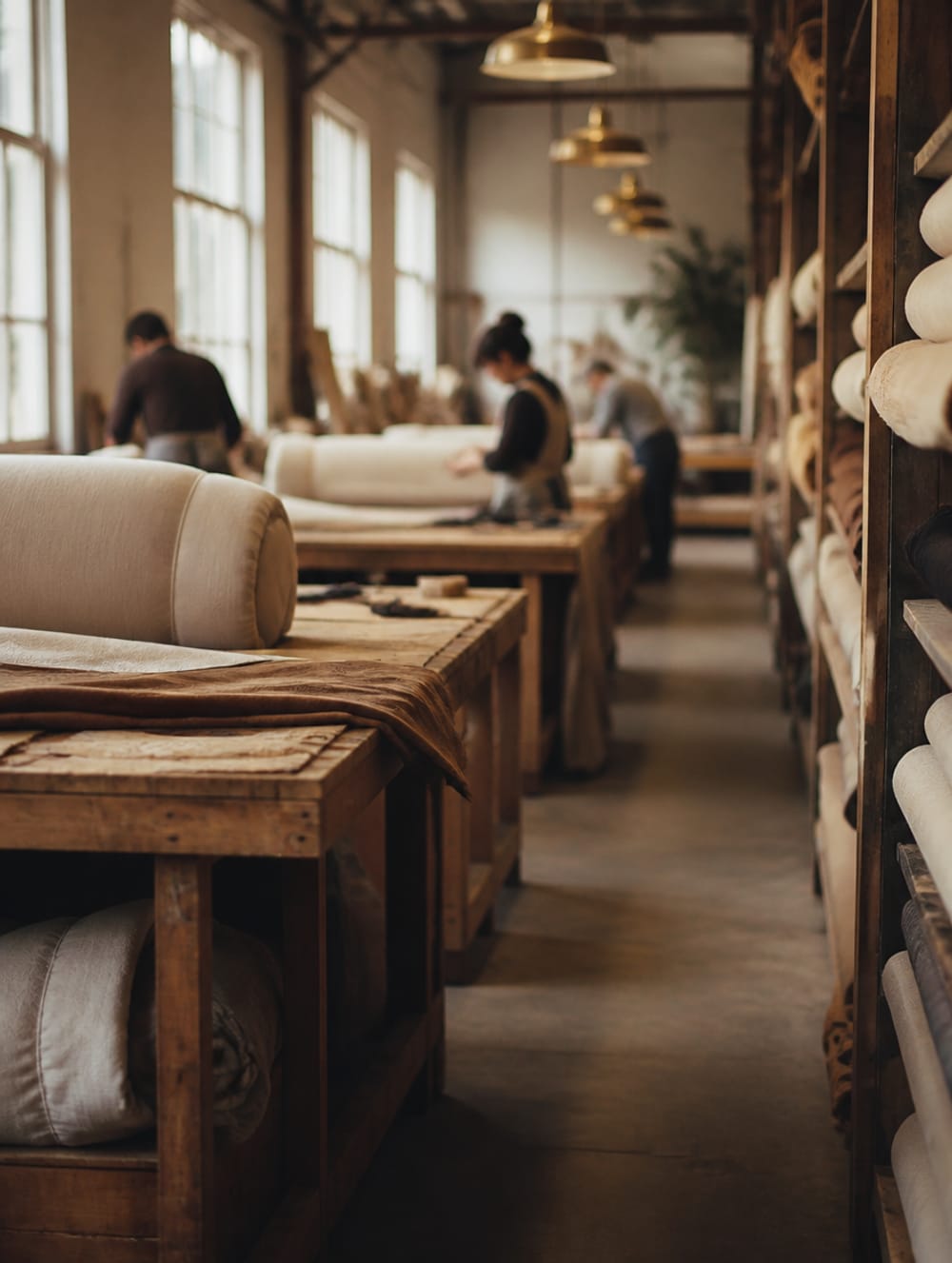
A frame can outlast the fabric wrapped around it.
Documentation
Put material requirements in your program brief.
If your specification sets material, flammability or sustainability requirements, include them with your drawings and quantities.
We don't publish environmental figures or certifications. Say in the brief what documentation your specification requires, and we'll confirm what we can provide for that program.